













![[Add - on] Jackery Manual Transfer Switch for Explorer 5000 Plus - Jackery](http://www.jackery.com/cdn/shop/files/add-on-jackery-manual-transfer-switch-for-explorer-5000-plus-9017324.png?v=1754016782&width=170)

































































![What Is The Average Electric Bill in Austin [2025 Updated]](http://www.jackery.com/cdn/shop/articles/what-is-the-average-electric-bill-in-austin-2025-updated-7943498.jpg?v=1765476445)
Brief Answer: The average electric bill in Austin, Texas, is $177.52 per month with average consumption of 1,146 kWh and an electric rate of 15.49 cents per kWh.
Austin, Texas, is a hub of arts and technology, and the cost of living there is more expensive than in most parts of the US. The average monthly electricity consumption in Austin, Texas, is 1,146 kWh/month, and the monthly average electricity bill is $177.52 with an electricity rate of 15.49 cents/kWh. The overall cost of electricity consumption is decided upon by the residential, commercial, industrial, transportation, and other sectors.
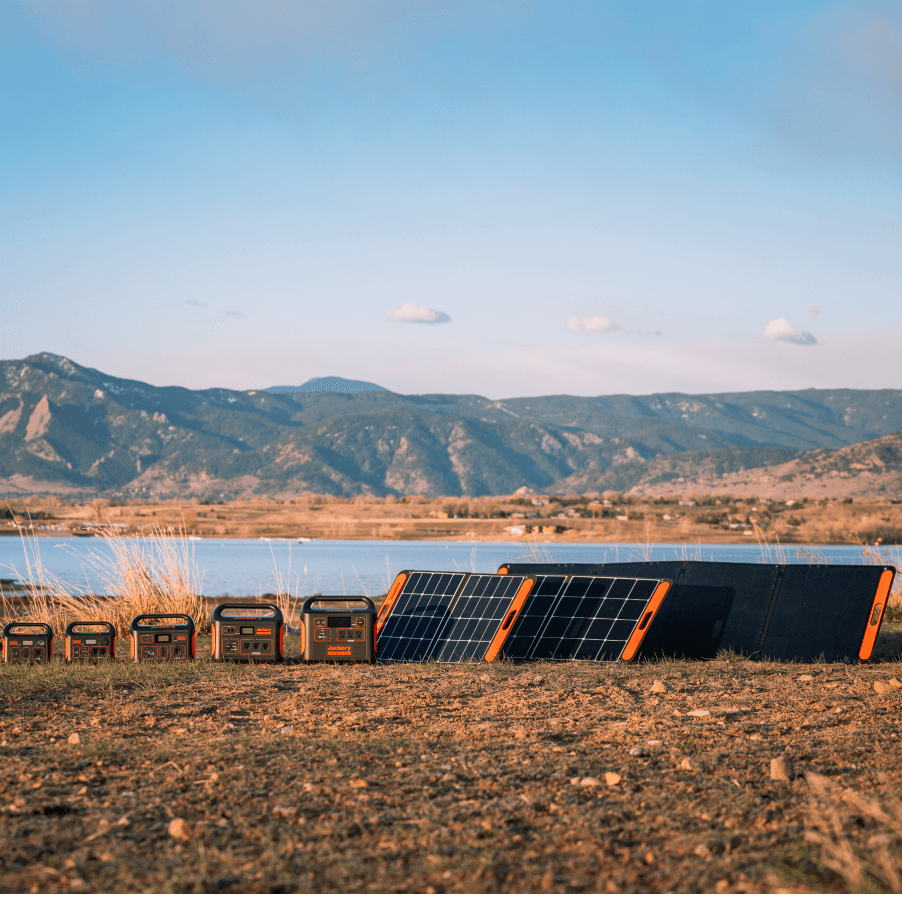
The average electric bill in Austin, Texas, has been rising due to increased population, number of occupants, and consumption behavior. However, solar power system solutions like the Jackery Solar Generators can help significantly reduce the electric bill. These solar generators provide free and renewable solar energy sufficient to power essential appliances and reduce dependency on grid energy.
Takeaways
- According to EIA (May 2025), Austin residents spend on average $177.52 per month on electricity, amounting to roughly $2,130.24 per year.
- The average monthly electricity consumption in Austin, Texas, is 1,146 kWh, at an average rate of around 15.49 ¢/kWh.
- Austin Energy charges residents based on a tiered rate model, with higher per-kWh costs as usage climbs. For 1,000 kWh usage, the total monthly bill example is $131.53 when factoring in all applicable charges.
- How much does it cost to live in Austin.
- How to lower your electric bill in Austin.
What Is The Average Electric Bill in Austin?
The average electric bill in Austin, Texas, is $177.52 per month, and the monthly electric rate is 15.49 cents/kWh. You can also calculate the monthly bill by multiplying the monthly consumption by the average electric rate. Electric bills are calculated based on a user's monthly electricity consumption, including the electric rate.
According to Austin Energy, the average residential electric rate in Austin for 2025 is based on a four-tier structure:
- Tier 1: 0–300kWh: 4.106¢ per kWh
- Tier 2: 301–900kWh: 5.138¢ per kWh
- Tier 3: 901–2,000kWh: 7.525¢ per kWh
- Tier 4: Over 2,000kWh: 10.884¢ per kWh
Additionally, there are pass-through charges:
- Power Supply Adjustment: 5.322¢ per kWh
- Community Benefit Charges (various): range from 0.206¢ to 0.444¢ per kWh
- Regulatory Charge: 0.01338¢ per kWh
A typical residential customer consuming around 860kWh/month will see an average electric rate (including all charges) calculated across these tiers, but a useful benchmark is the base energy charge at 5–8¢ per kWh, with total bill impacts higher after adjustments and fees.
Knowing the electricity rate is the easiest way to compare the regional cost of electricity. According to the EIA report, the average residential rate in Texas is 15.49 cents per kWh, whereas the commercial, transportation, and industrial rates are 8.90 cents, 6.63 cents, and 3.88 cents per kWh, respectively.

The table below compares the average electric bill in five different states:
|
State |
Avg. Bill |
Avg. Rate |
Monthly Usage |
|
Texas |
$177.52 |
15.49 cents/kWh |
1,146 kWh/month |
|
Michigan |
$122.11 |
20.25 cents/kWh |
603 kWh/month |
|
Utah |
$95.86 |
12.63 cents/kWh |
759 kWh/month |
|
New Mexico |
$96.15 |
14.59 cents/kWh |
659 kWh/month |
|
Colorado |
$103.93 |
15.70 cents/kWh |
662 kWh/month |
|
District of Columbia |
$127.15 |
20.15 cents/kWh |
631 kWh/month |
Source: EIA
Where the national average electric rate consumption per month is 17.47 cents/kWh, Austin, Texas, has an electric rate consumption of 15.49 cents/kWh. The average monthly electricity consumption in the United States is around 899 kWh/month, and that of Austin, Texas, is 1,146 kWh/month. This makes the average monthly electric bill in the United States up to $157.05, and that of Austin, Texas, is $177.52.
What Are The Electricity Rates in Austin?
As of May 2025, the average electricity rate in Austin, Texas, is around 15.49 cents per kWh. The electricity rate is the cost associated with consumers' electric energy consumption. It serves as the pricing framework that governs consumers' electricity consumption. The electricity rate in Austin, Texas, changes throughout the year due to certain factors like weather, fuel price, etc.
Some top electricity providers in Austin, Texas are as follows:
- Champion Energy Services
- Payless Power
- Constellation
- Gexa Energy
- 4Change Energy
- Frontier Utilities
- Discount Power
- Express Energy
- Cirro Energy
- Chariot Energy
- Amigo Energy
The Austin Energy residential electric rates have a four-tier rate structure, which includes energy charges, power supply adjustments, community benefit charges, and regulatory charges. Compared to other utility bills in Texas, the residential bills in Austin tend to be lower. According to the EIA, the average residential electricity rate in Austin, Texas, is 15.49 cents/kWh, which is less than the average electric rate in the US of 17.47 cents/kWh. Different energy providers have different energy rates for different tenures. Here is a table of the top energy providers in Austin, Texas:
|
Provider |
Length |
Avg. Rate Per kWh |
|
Champion Energy Services |
24 Months |
18.1¢/kWh |
|
Gexa Energy |
24 Months |
12.1¢/kWh |
|
4Change Energy |
24 Months |
12.2¢/kWh |
|
Discount Power |
24 Months |
12.1¢/kWh |
|
Express Energy |
24 Months |
12.1¢/kWh |
|
Cirro Energy |
24 Months |
12.4¢/kWh |
|
Chariot Energy |
36 Months |
13.9¢/kWh |
|
Constellation |
12 Months |
14.5¢/kWh |
|
TriEagle Energy |
36 Months |
14.9¢/kWh |
|
Amigo Energy |
24 Months |
14.9¢/kWh |
What Are The Types of Electric Plans in Austin?
In Austin, which is in a deregulated energy market, the main types of electric plans are fixed-rate, variable-rate, and prepaid. If you decide to move to Austin, Texas, and plan to start your business, you can choose your small business rates. Compared to the residential rates, the business electricity rates in Austin, Texas, are the lowest in the US. As a consumer, you can buy or choose from the five types of electricity plans in Austin that best fit your needs:
Fixed Rate Electricity Plan
You can subscribe to a low energy rate for a monthly tenure of nine to thirty-six months. If you switch before your term ends, you will be charged a termination fee.
Variable Rate Electricity Plan
In this plan, the monthly electric rates can increase or decrease; however, you do not need to worry about the early termination fees.
Pre-Paid Electricity Plan
This electricity plan deducts the electricity bill according to your monthly consumption once you deposit money into your account. These plans come with charges, and the rates may vary monthly.
Renewable And Green Energy Plan
There are three types of renewable energy plans: green energy term plans, EV charging plans, and solar buyback plans. Currently, more than 30% of energy produced in Texas is from a renewable source. One reason Texas has the lowest electricity rates is that it produces more renewable energy than any other state.
Time Of Use Plans
In this plan, the electricity consumption rate varies based on when you use the most electricity daily or the season that consumes the most electricity. Generally, the rate will be higher during the day and lower at night.
Before you choose an electricity plan in Austin, Texas, here are a few things you must consider:
Know Your Consumption
If you are moving to a small apartment, a medium-sized home, or a large house, consider that the size of your home relates to the average electricity usage. Electricity rates are based on kWh use per month.
Estimate Your Usage
If you do not know your average monthly consumption, you can estimate the amount of energy you will use in any given month, even if you do not have the last 12 months' bills. An estimation is better than randomly picking the plan provided by the utility company, as it might not be exactly what you consume.
Know Your Credit Score
You might be asked to pay a deposit of 150-300 dollars if you need better credit. To avoid this, you can use a no-deposit plan instead.
Understand Utility Charges
Local electricity utility companies in Austin, like TDSPs, repair and maintain the electricity pole wires, read the meter, and restore power when there is a power cut. The local utility fees consume 30-40% of your total bill.
In Austin, Texas, there are two types of enrollments for setting up electricity service: move-in and switch. A move-in enrollment is when you establish a new electricity service or transfer the electricity contract to your own name at the same address.
A switch enrollment is when you already use the electricity at your current location but want to switch to another utility company. There can be many reasons behind a switch enrollment, but if you switch within 14 days before your contract ends, you may be charged a cancellation fee.
How Much Does It Cost to Live in Austin?
The cost of living in Austin in 2025 is higher than the Texas average but generally lower than in other major US cities. The most common utilities include a median home price, median rent, energy bill, phone bill, gas, food, and health care. Here is a detailed breakdown of the living costs in Austin, Texas:
Housing
On average, a 2-bedroom house in Austin, Texas, costs around $1,500 - $2,100/month, and the median home price is around $522,000 - $577,400. To understand the overall housing costs, you can consider factors such as monthly rent, maintenance fees, and house prices.
Food
The cost of living in Austin, Texas, is lower than the national average because of the low grocery prices. Savings of $200 - $500 per month are enough to bear grocery prices for one person. However, this might go up if you include dining out.
Transportation
Monthly transportation costs in Austin, Texas, may include transit passes, fuel prices, parking fees, tolls, insurance, etc. The average gasoline price is around $2.98/gallon, with a public transit pass being around $33–$41/month. You can expect to spend around $1,100 - $1,200 on annual car insurance.
Health Care and Child Care
Health care and child care insurance plans in Austin, Texas can depend upon age, salary, and location. The monthly cost ranges from 480 to 590 dollars, which is 3% more than the national average. If you exclude the medical coverage but include regular check-ups, the cost can be around $200.
Entertainment
A 2D film show might cost around $10 in Austin, Texas, while a 3D film show might cost around $16. If you enjoy music shows, you might be charged between $50 and $100, depending on the lawn or front seating. Museum visits can range from $8 to $15.
Below is the table displaying the estimated values of average monthly living costs in Austin, Texas:
|
Utilities |
Avg. Monthly Bill |
|
Electricity |
$177.52 |
|
Housing (2-bedroom apartment) |
$1,500-$2,000 |
|
Groceries |
$200-$500 |
|
Transportation |
$2.98 per gallon |
|
Health Care and Child Care |
$480-$590 |
|
Entertainment |
$15.75 per 3D film show |
Note: The electric rates are subject to change, and it is advisable to check and stay updated on the actual rates on the provider’s website.
How to Lower Your Electric Bill in Austin?
If you would like to lower your electric bill in Austin, consider focusing on reducing energy consumption, especially during peak hours. This can be achieved by adjusting your thermostat, using fans, improving insulation, switching to energy-efficient appliances, and taking advantage of financial assistance programs.
Whether you move to a new city, build or rent a house, or switch to another electricity grid, all these factors will reflect your electricity price. Here are some more critical factors that you must know to influence the price of your electric bill:
Fuel Prices
Fuel prices can increase in some regions or states due to high electricity demand or disruptions caused by extreme weather events. In turn, higher fuel prices due to weather conditions, accidental damage, and delivery infrastructure may result in higher electricity bills.
Transmission System
The transmission and distribution system includes construction and operation costs while connecting power plants with consumers. It also includes costs for repairing due to accidents or cybersecurity improvements.
Weather Conditions
Changes in seasons can demand heating and cooling systems, ultimately increasing electricity demand. Due to the timely increase in fuel and electricity prices, your monthly electricity bill may also show an increase.
Regulations
In some states, electricity prices are regulated by public utility commissions, while some states have a combination of unregulated and regulated prices for generators and transmission.
Here is a list of some ways by which you can significantly lower your electricity bills:
- Switch-off the lights
- Unplug unused appliances
- Use devices during off-hours
- Insulate your home
- Install a Thermostat
- Use energy-efficient devices
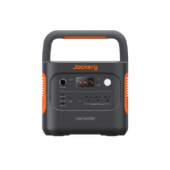
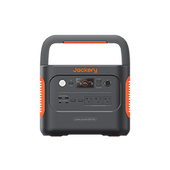
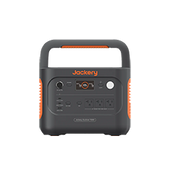
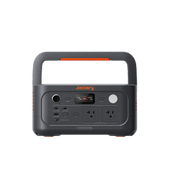
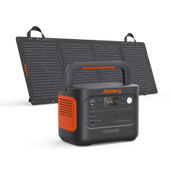
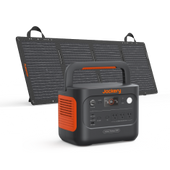
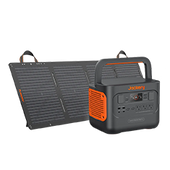
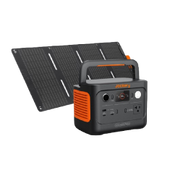
- Use Solar power systems like Jackery Solar Generators
- Clean and replace the filters regularly
If you install solar panel systems on your property, you can cut down on your regular grid electricity and make your own electric energy from sunlight. When solar panels are placed outside, they capture the sun's energy and turn it into electricity using photovoltaic cells. With a solar power system like Jackery Solar Generator, you can access endless, eco-friendly, and budget-friendly solar energy and use it for your home and businesses.
Jackery Solar Generators for Lowering Your Electric Bills
With Austin’s average electricity bills reaching around $170 - $200 per month, many households are looking for ways to cut down on rising costs. One effective option is turning to solar power with Jackery Solar Generators. These portable, reliable home battery backup solutions let you generate your own clean energy from the sun, helping you rely less on the grid and ease the strain of high bills. Here’s how different Jackery Solar Generators can fit into daily life in Austin:
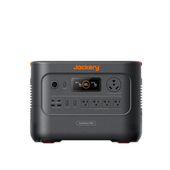
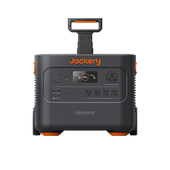
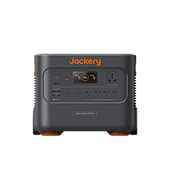
Jackery Solar Generator 2000 Plus
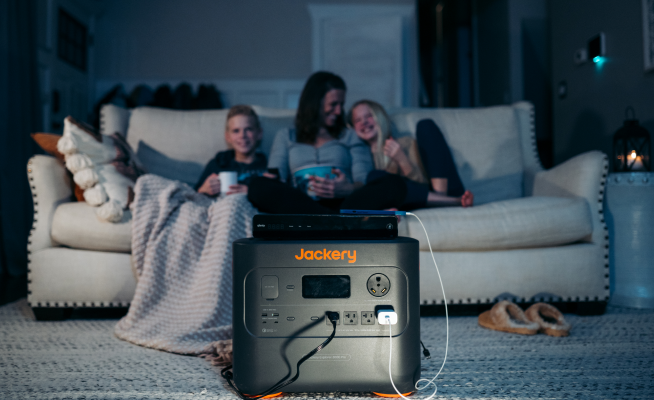
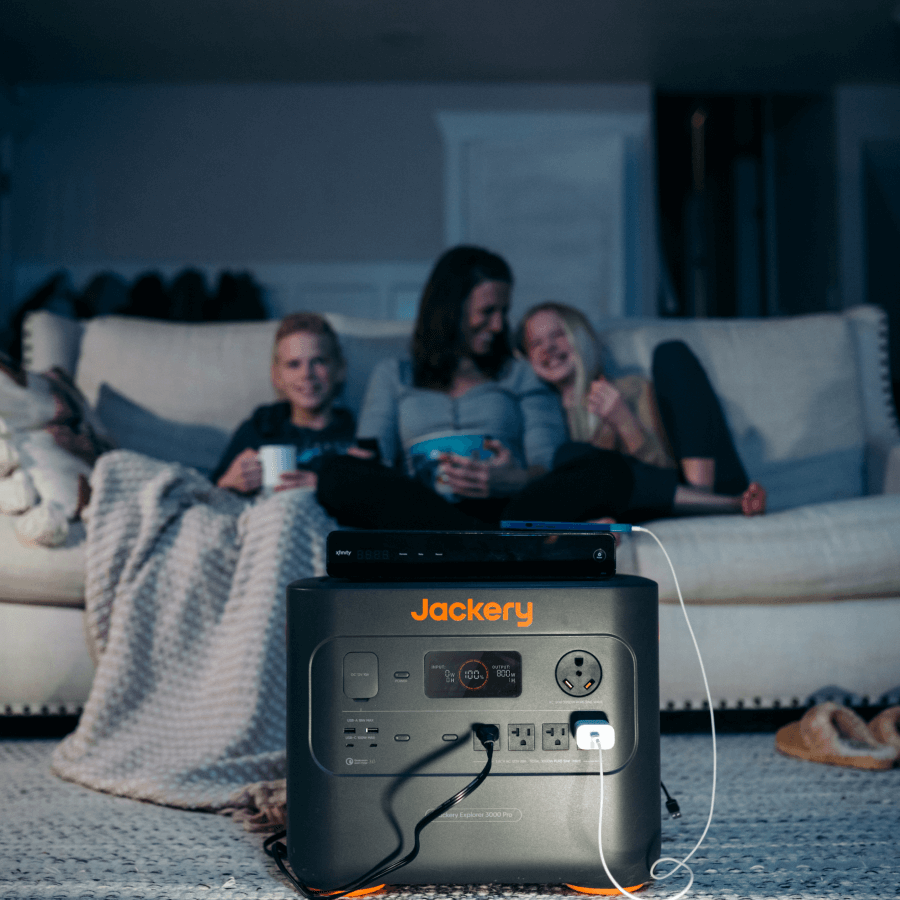
The Jackery Solar Generator 2000 Plus can support additional battery packs and is expandable for various scenarios, such as blackouts and power outages. With this solar generator, you can stay power-ready during unforeseen weather conditions and no longer need to rely on grid electricity for a continuous power supply. With solar energy, power can become free and independent, and help you reduce your electricity bills.
Appliance Working Hours
- Portable Air Conditioner (1000W): 1.6H
- Kettle (850W): 1.9H
- Microwave (800W): 2.0H
- Refrigerator (300W): 5.3H
- Furnace (1500W): 1.1H
Who Should Buy This
The Jackery Solar Generator 2000 Plus is ideal for small families or individuals who want a dependable and expandable home battery backup option for outages while lowering monthly bills.

Customer Review
The Best investment for our business, which does craft shows, is the Jackery Explorer 2000 Plus with 2 Solar Saga 200W panels to power our XTool F1 portable laser air purifier laptop and lights on our canopy. If the power goes out, I can power my CPAP machine; there is no need to pay the vendor for electricity.
-- Kevin J. Craig
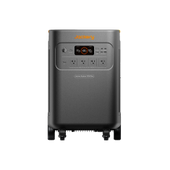
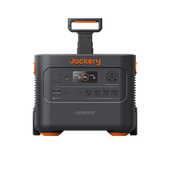
Jackery Solar Generator HomePower 3000
The Jackery Solar Generator HomePower 3000 is an easy home backup solution and is well-suited for a wider range of home needs. It can comfortably support appliances like air conditioners, microwaves, and multiple devices at once. This makes it especially helpful in Austin’s hot summers, where cooling costs quickly add up. It can help you to offset peak-time usage and enjoy more predictable energy costs.
Appliance Working Hours
- Portable Air Conditioner (1000W): 2.6H
- Kettle (850W): 3.0H
- Microwave (800W): 3.2H
- Refrigerator (300W): 8.1H
- Furnace (1500W): 1.7H
Who Should Buy This
The Jackery Solar Generator HomePower 3000 is ideal for medium-sized households that want reliable power during outages while also trimming their day-to-day electricity expenses.

Customer Review
Great home power system. We are using it as an all-in-one inverter/battery/solar system. For the price, it's unbeatable and high quality and performance in each aspect!
— Bryan.
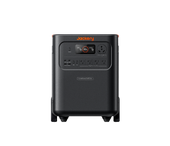
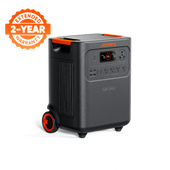
Jackery Solar Generator HomePower 3600 Plus
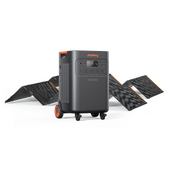
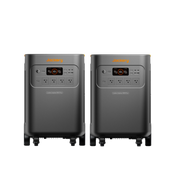
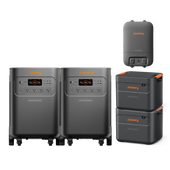
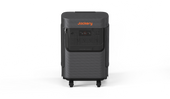
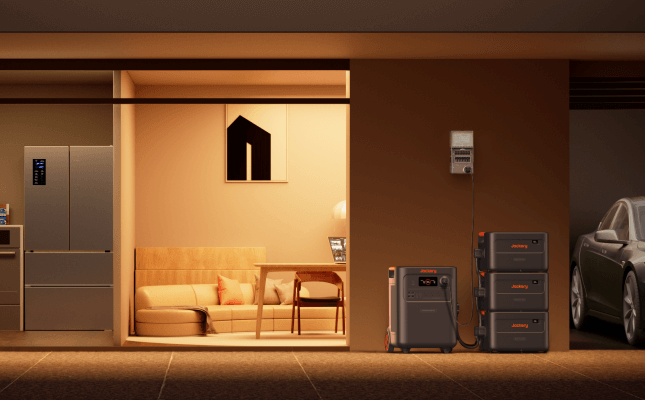
Austin’s bills jump fast because the AC runs almost year-round, and peak-rate hours impact the electricity bills harder in the summer. The Jackery Solar Generator HomePower 3600 Plus is an essential home backup solution that gives you a way to take some of that load off by letting you store the solar power and use it to run appliances when the grid electricity is expensive. With the expansion batteries attached, it can keep a fridge running for nearly two weeks, which means you can shift far more than just one appliance onto stored energy. It also has the output to handle bigger household devices. The built-in wheels and pull handle make it easy to roll between rooms or wherever you need power in the house.
Appliance Working Hours
- Portable Air Conditioner (1000W): 3.0H
- Kettle (850W): 3.5H
- Microwave (800W): 3.7H
- Refrigerator (300W): 9.5H
- Furnace (1500W): 2.0H
Who Should Buy This
If you are in Austin and want a realistic way to shave down your electric bill by relying on stored solar rather than peak-rate power, then the Jackery Solar Generator HomePower 3600 Plus is an ideal choice.

Customer Review
I've only tested the 3600 thus far & I'm very satisfied with the quality of the unit & the guys absolutely love the portability design. I purchased the E500 for camping this past summer & it handled my needs well for a month of camping. I'm confident the 3600 will handle my household needs. I will get another for the terrace level.
— Cynthia E.
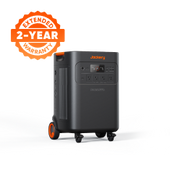
Jackery Solar Generator 5000 Plus
The Jackery Solar Generator 5000 Plus is the most powerful and essential home backup option built to handle heavy household demand. It is capable of running multiple large appliances together, making it suitable as a true home backup solution. For Austin residents, this means keeping the core home appliances powered during outages or using solar energy as a primary source to cut down grid reliance significantly.
Appliance Working Hours
- Portable Air Conditioner (1000W): 4.1H
- Kettle (850W): 4.8H
- Microwave (800W): 5.0H
- Refrigerator (300W): 12.2H
- Furnace (1500W): 2.8H
Who Should Buy This
If you are looking for maximum long-term savings from solar energy while ensuring comfort during Texas’s frequent high-demand power periods, the Jackery Solar Generator 5000 Plus is ideal for your needs.

Customer Review
Exactly what we needed to power our home. Especially nice to have a 240-volt option to run the well pump. Also nice to be able to "accessorize" as finances allow.
— Richard Wamsley.
Austin Average Electric Bill FAQs
What size of solar generator do I need for my house in Austin?
Investing in solar generators can help reduce your electricity bills and be equally beneficial for the environment while you rely upon clean and renewable solar energy. The size of the solar generator required for your house in Austin, Texas, depends upon certain elements, including the square footage of the house, the number of occupants, your energy consumption habits, the number of appliances you use, and the length of time you use them.
For example, if you want to calculate how long the Jackery Solar Generator 5000 Plus can power a refrigerator (300W) and a TV (150W), consider using the Running Time Calculator available on the product page. Scroll down to find the calculator and enter the total appliance wattage to get an estimated runtime. In this example, the Jackery Solar Generator 5000 Plus can run these appliances (450W) simultaneously for 8.6 hours.
What is the average electric bill in Texas per month?
The average electric bill in Texas per month is $177.52.
How much is the electric bill for a 2000 sq ft house in Texas?
The average electric bill for a 2000 sq ft house in Texas would be around $160 - $170, though it might change depending on the total energy consumption.
How much are utilities for a 1 bedroom apartment in Austin?
The utility range for a 1-bedroom apartment in Austin is around $100-$350 per month.
Why is Texas electric bill so high?
Some reasons for high electric bills in Texas include frequent blackouts, high energy consumption during summers, and increased electricity demand during heat waves.
Conclusion
With changes in weather conditions every year during global warming, heat waves are seen in many regions and states nationwide. Due to this, the electricity consumption per household increases, increasing the dependency on conventional grid electricity. This might result in the high average electric bill in Austin.
However, taking some actions, such as installing solar panel systems, switching off appliances when not in use, and monitoring your electricity consumption, can help you lower your electricity bills. Jackery Solar Generators bring many benefits, such as user-friendliness and large capacity to power most of your appliances through renewable solar energy, which can reduce your reliance on grid electricity and save vast amounts of electricity.





Leave a comment