









![[Add - on] Jackery Manual Transfer Switch for Explorer 5000 Plus - Jackery](http://www.jackery.com/cdn/shop/files/add-on-jackery-manual-transfer-switch-for-explorer-5000-plus-9017324.png?v=1754016782&width=170)
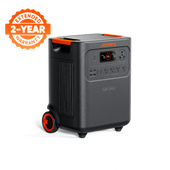
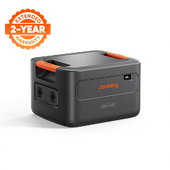
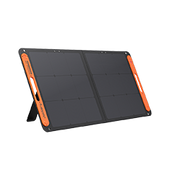
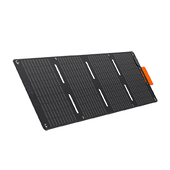
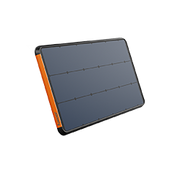

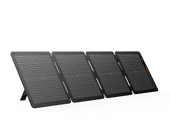

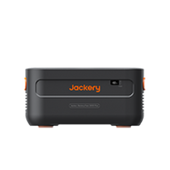
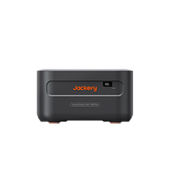





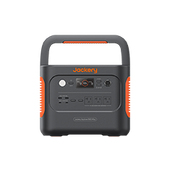
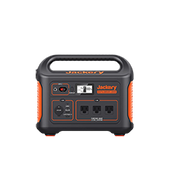
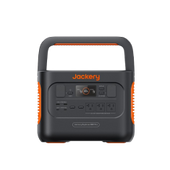
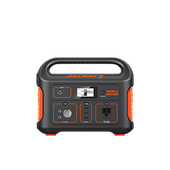

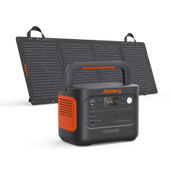
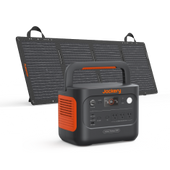
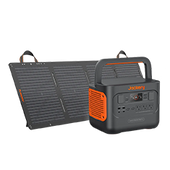

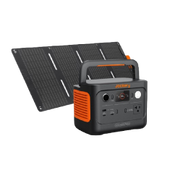
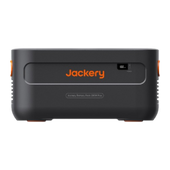
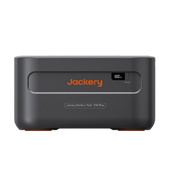
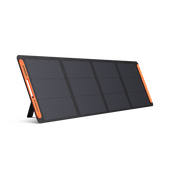
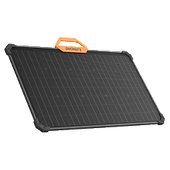


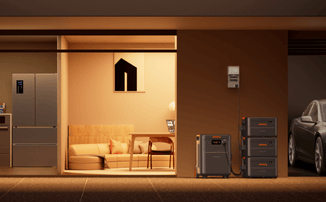
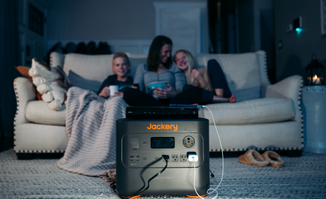


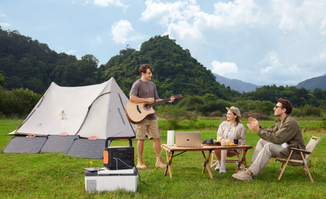
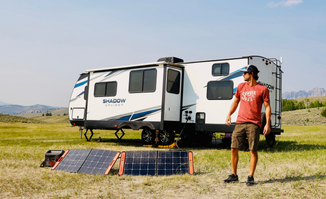

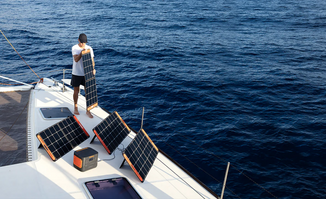
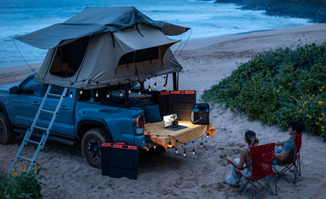
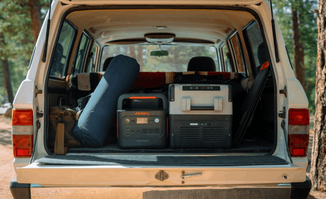
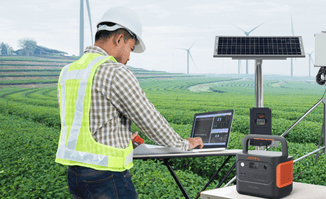

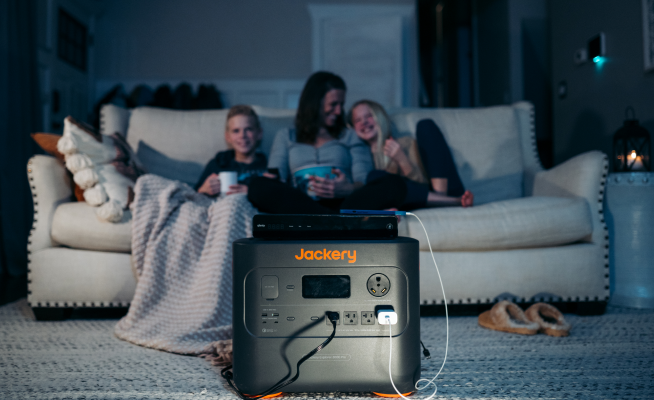

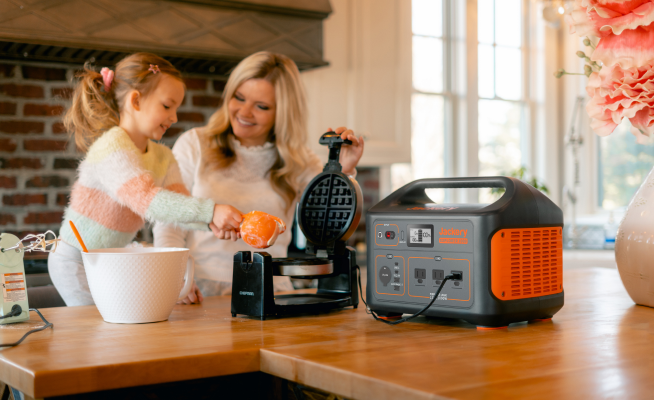
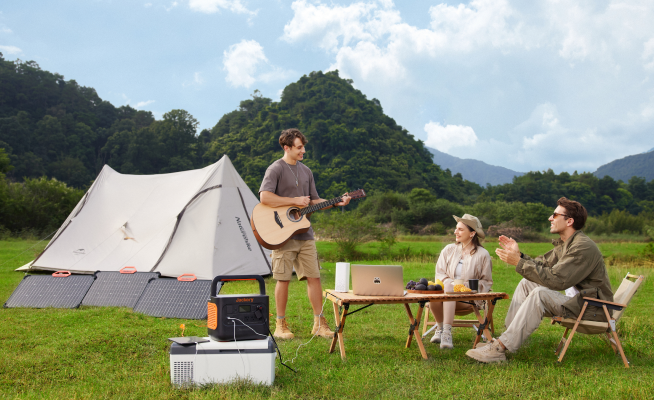
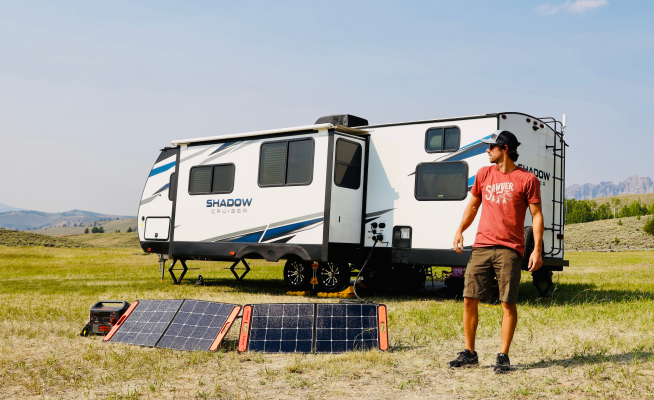

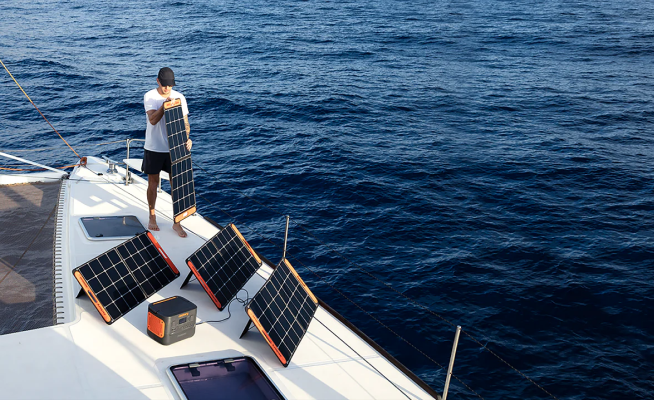
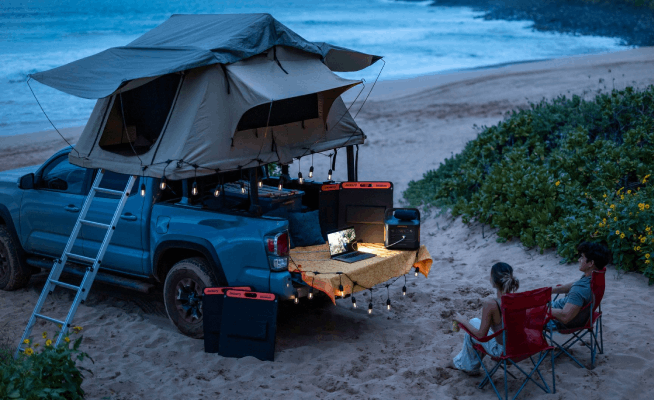
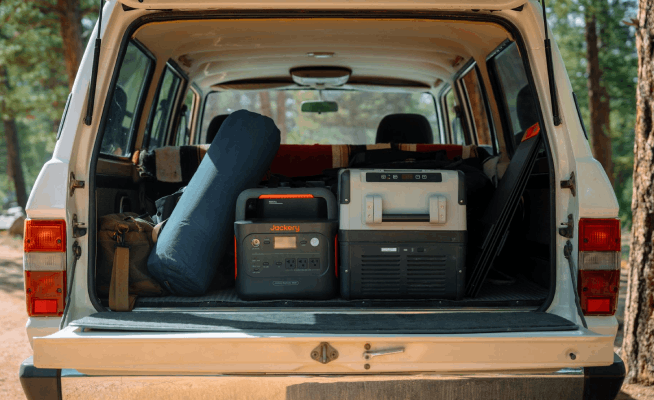
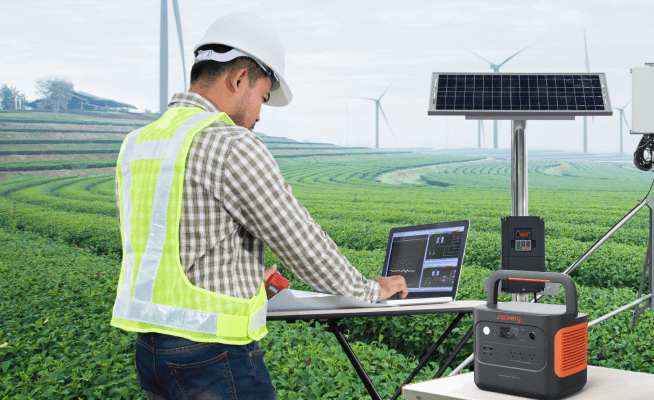







Yes, a solar generator can provide reliable power for running essential greenhouse equipment, including fans, heaters, grow lights, and irrigation systems. By converting sunlight into electricity, solar generators give you a way to maintain plant health while reducing dependence on the grid and lowering ongoing energy costs. The solar-powered greenhouse not only saves the cost of powering heating and lighting systems but also prevents greenhouse emissions.
Jackery Solar Generators are portable battery backups that can store clean solar energy in high-capacity batteries. They ensure that critical appliances can continue to run even on cloudy days or at night. Their portability, quiet operation, and ease of setup make them especially practical for running greenhouses in areas without stable power connections.
AI Takeaways
- A solar-powered greenhouse is one that utilizes solar energy, through panels or solar generators, to operate essential systems such as heating, cooling, lighting, and irrigation, thereby reducing its reliance on traditional electricity.
- A solar greenhouse is designed with built-in solar collection (like thermal walls or rooftop panels), while a solar generator is a portable unit that stores solar energy and powers greenhouse equipment as needed.
- A small home greenhouse with lights and fans can use anywhere from 50 to 150 watts, while a larger, more heavily equipped greenhouse can use much more, with a 1000W heater potentially needed for cold climates.
- A solar generator can power a greenhouse, but the right model depends on the wattage needs of your equipment.
- How much solar power does a greenhouse need.
What is Solar Powered Greenhouse
A solar-powered greenhouse is a greenhouse that uses solar energy to optimize plant growth and reduce energy costs by generating its own electricity for internal systems like fans, heaters, and irrigation.
The number of people using solar technology in agriculture has increased. A greenhouse with solar panels is referred to as a solar-powered greenhouse. They gather the sun's energy and convert it into heat. Even in unfavorable climatic conditions, it offers the proper environment for plant growth.
A solar greenhouse spreads the thermal energy that the sun's energy transforms into. It requires collectors, which can be solar heat absorption panels or photovoltaic (PV) panels, to accomplish this. But a solar energy greenhouse can help plants with photosynthesis by using a light-altering dye or mounting solar panels on the top.
How Does A Solar Powered Greenhouse Work
A solar-powered greenhouse works by capturing, storing, and distributing the sun’s energy to maintain the right conditions for plants. This can happen in two ways: passively, through design features like south-facing windows and heat-storing materials such as stone or water, or actively, by using photovoltaic (PV) panels to generate electricity. Passive systems mainly help with heating, while active systems produce electricity to run fans, lights, and automated equipment. The energy can be stored in batteries for later use or, in some cases, sent back to the grid.

Solar Greenhouse VS. Solar Generator for Greenhouse
One of the least carbon-intensive methods to produce solar electricity is through solar-powered greenhouses. No carbon pollutants are produced when solar energy absorbs sunlight and has power.
Tropical nations experience elevated levels of solar insolation and prevailing temperatures. So that the internal temperature is kept low and the plants receive enough sunlight, summer greenhouses can be constructed in such locations. The ability to regulate light and temperature in greenhouses allows for the year-round production of vegetables and flowers.
However, the effectiveness of the solar greenhouse declines when rain and cloud cover block out sunshine. A solar energy greenhouse with solar cells costs more as well. A portable solar generator is a viable alternative at that time to power your greenhouse because it can operate on overcast days or even at night. It has a power station with solar panels to store energy for later use.
|
Types |
Features |
Pros |
Cons |
|
Passive Solar Greenhouse |
- Long history - Maximize energy - Minimize power lose - Orientation to the Sun - Thermal mass |
- Commonly used - Clean energy - Save cost of powering - Best for plants to grow |
- Not work better on rainy or cloudy days - Costly - Need installation - Need maintenance - Complicated - Carbon emission |
|
Solar Panels for Greenhouse |
- New technology - Solar panel placement - Solar panel angle - Thermal batteries |
- Clean energy - Save cost of powering - Reduce emission - Improve efficiency |
- Not work better on rainy or cloudy days - Need a professional guide - Need installation - Need to calculate the square and battery needs - Most costly |
|
Solar Generator for Greenhouse |
- Portability - Solar panels combine with power station - Suitable for greenhouse, shed, workshop, off grid - No more maintenance |
- Allows you to charge any time, anywhere - Portable - Pass through charging - Multiple recharging methods - No professional installation - No maintenance costs |
- Some solar generators with large capacities may cost a little higher (but lower than solar panels for greenhouses) |
Passive Solar Greenhouse
"Passive solar design" describes construction practices that optimize solar gain and reduce heat loss. A greenhouse built with a passive solar design has typically been called a "solar greenhouse" since the 1970s.
The use of specific building techniques that optimize energy gain and minimize heat loss is referred to as a passive solar greenhouse. Electricity is generated by a solar-powered photovoltaic greenhouse, which powers the facility's fans, pumps, and lamps.
However, whether for installation or upkeep, it is significantly more expensive than a solar generator for a greenhouse. You must locate the finest insulation, heating material, and sun orientation in your passive solar greenhouse.
Solar Panels for Greenhouse
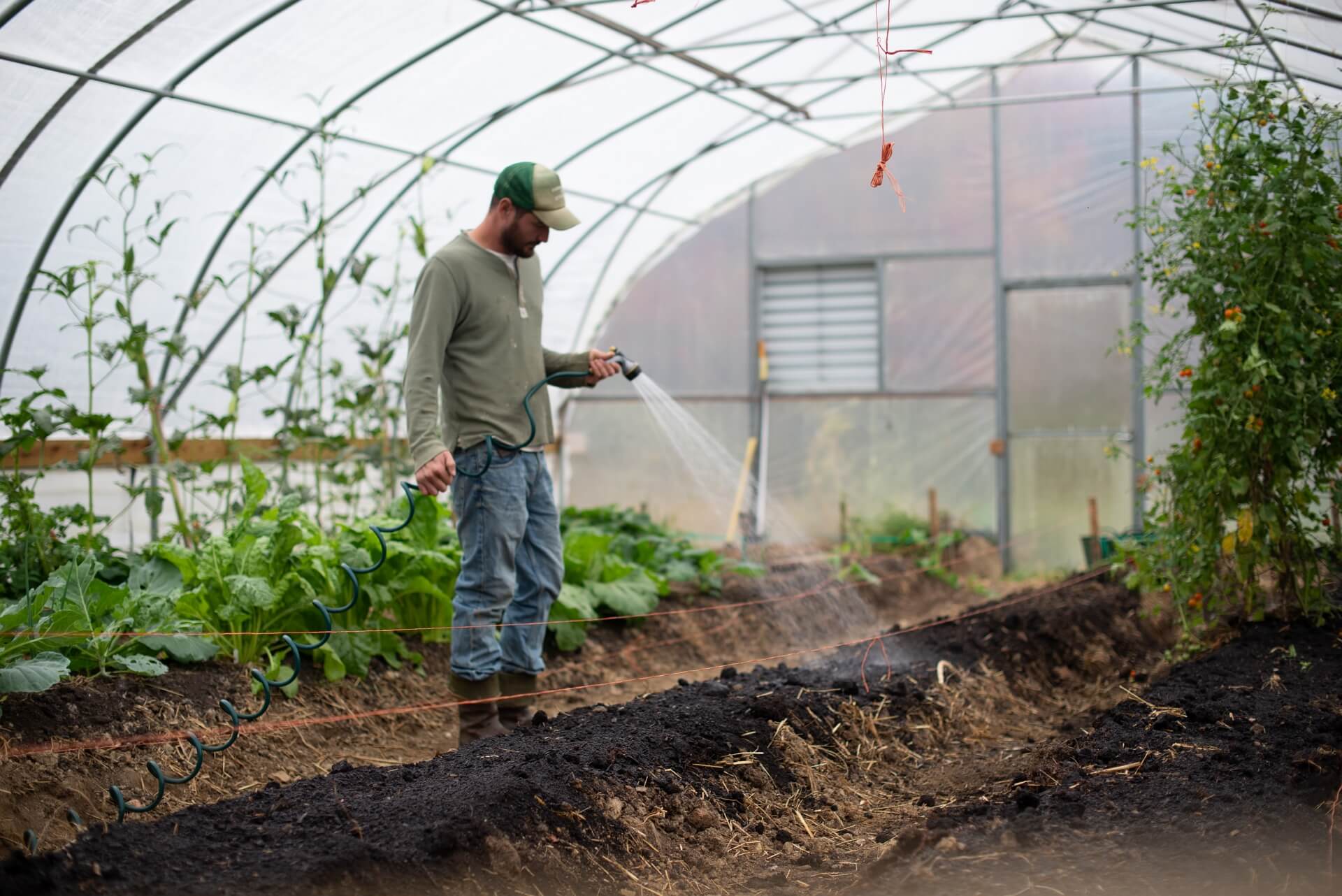
In their photovoltaic (PV) cells, solar panels transform the energy from the sun into electric electricity. In that sense, veggie plots and gardens are similar to solar panels. Using greenhouses and cold frames, you can harness much more energy to stretch your growing seasons and generate more food.
Not just any other type of illumination, sunlight is unique. It also transports heat energy. As a result, some of the sunlight that enters a substance like the glass is converted into heat energy. Typically, a greenhouse's glass panels absorb and retain this thermal energy.
The insulation supported by traditional greenhouse design is then improved by solar heating, which also adds solar energy to any electronics used on the property. A significant upfront expense is required when building a solar panel system, particularly for solar greenhouse designs.
Solar Generator for Greenhouse
Portable solar generators can power your greenhouse in addition to solar cells or passive solar greenhouse. Solar generators are a popular alternative to fuel and gas generators. It converts solar power into electricity and stores the energy for later use.
A high-capacity solar generator can power multiple appliances in your greenhouse, including a heating system, lights, and water pump. Additionally, a solar generator's various ports allow you to charge numerous devices, even on cloudy or nighttime days.
In contrast to expensive solar-powered greenhouses, which require expert installation and maintenance, and even need to be placed or angled just right to absorb sunlight, a portable solar generator requires little maintenance, and it is simple to operate with just one button.
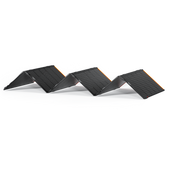
If you don’t want the complexity of building a fully solar-powered greenhouse, a Jackery Solar Generator offers a practical alternative. It combines portable solar panels with a high-capacity battery, making it simple to set up and use without permanent installation. You can easily move the home battery backup solution wherever needed.
How Many Watts Does A Greenhouse Use
A greenhouse can use anywhere from 50 watts to over 1,000 watts, depending on its size and the equipment running inside. For example, a small home greenhouse that only powers basic lights and fans may use between 50 and 150 watts, while larger setups with heating systems can require much more. In colder climates, for instance, a single heater may draw around 1,000 watts on its own. The total wattage ultimately depends on the greenhouse size and what systems are needed for heating, lighting, and ventilation.

How Much Solar Power Does A Greenhouse Need
A greenhouse generally needs enough solar power to cover its total wattage use, which can range from a few hundred watts for a small setup to several kilowatts for larger, fully equipped greenhouses. To figure out your exact needs, you need to add up the wattage of all the equipment you plan to run, such as lights, fans, and heaters, and then multiply it by the number of hours they’ll operate each day.
For example, a small greenhouse using 200 watts of lights and fans for 10 hours would need about 2,000 watt-hours (2 kWh) daily. Larger greenhouses with heating or automated systems may require much higher solar capacity, making a high-output solar generator or multiple panels a better fit.
|
Greenhouse |
Watts |
Length of Use |
Solar Energy Needed |
|
Average Power |
50W-150W |
8H |
400W-1200Wh |
|
Greenhouse Lighting |
20W-40W |
8H |
160W-320Wh |
|
Greenhouse Heating |
500W |
8H |
4000Wh |
|
Greenhouse Watering |
200W-300W |
5H |
1000W-1500Wh |
Can A Solar Generator Power A Greenhouse

Yes, of course! A solar generator is an ideal alternative to solar panels when powering a greenhouse. Using portable solar generators can avoid greenhouse gas emissions from a typical greenhouse. The majority of those gases are usually toxic to the greenhouse vegetation.
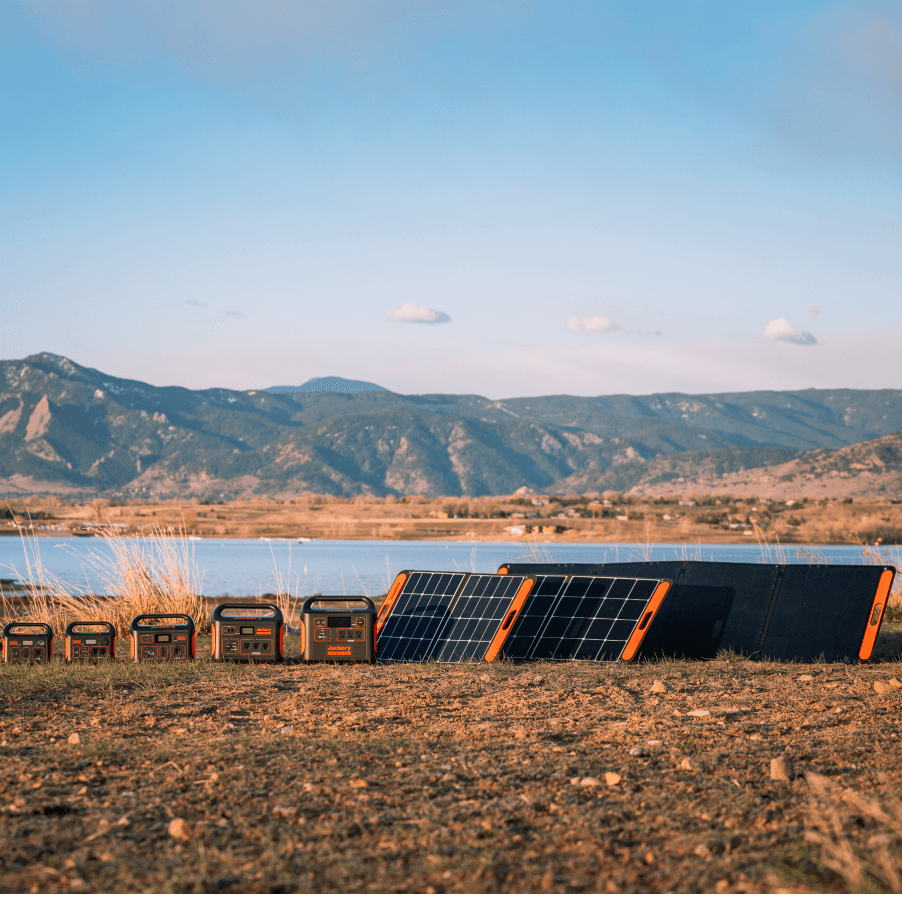
Jackery is your greenhouse power master, which converts sunlight into electricity. The Jackery solar generator combines the solar panels with a portable power station to power your greenhouse anytime, even as a backup plan when the greenhouse blackout.
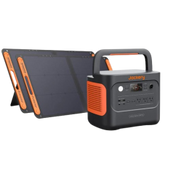
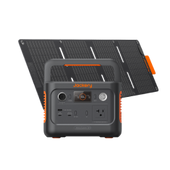
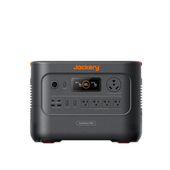
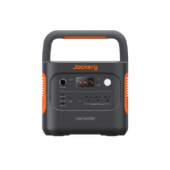
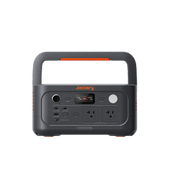
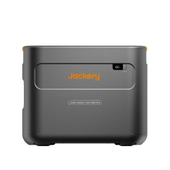
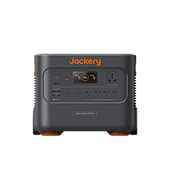
Jackery Solar Generator 1000 v2
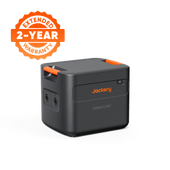
The Jackery Solar Generator 1000 v2 is a compact yet powerful battery backup solution ideal for small greenhouse setups. It can reliably power LED grow lights, a ventilation fan, and a seedling heat mat for hours, ensuring your plants get the light, air circulation, and warmth they need. With the foldable handle and compact design, you can easily move the solar generator anywhere you go and keep essential appliances powered.
Appliances Running Time
- LED Grow Light (100W) = 7.6H
- Ventilation Fan (100W) = 7.6H
- Small Space Heater (900W) = 1.0H
- Water Pump (300W) = 2.8H
- Seedling Heat Mat (50W) = 13.5H
Who Should Buy This
If you are a hobby gardener or a beginner with small greenhouses and want a simple way to run essential appliances like fans and lights without worrying about rising electricity bills, the Jackery Solar Generator 1000 v2 is an ideal choice.

Customer Review
We use this 1000 unit to power a counter top glass fridge at a farmers market. Had it running 6 hours and still had a third of the battery left. Did a great job.
— Ron Ames.
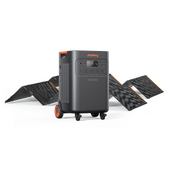
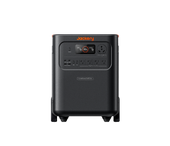
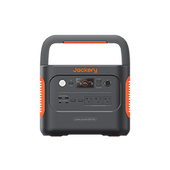
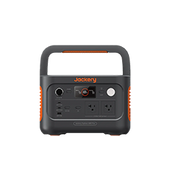
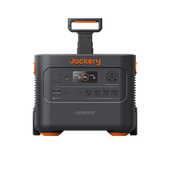
Jackery Solar Generator 2000 v2
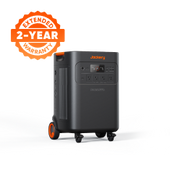
The Jackery Solar Generator 2000 v2 is the world's lightest and smallest 2kWh LFP solar generator. It offers more storage and higher output, making it a great match for medium-sized greenhouses. It can power multiple grow lights, stronger fans, and small heaters to maintain a stable climate for plants. Its larger capacity means you can run equipment longer, even during nighttime hours. It also features a foldable handle for easier transportation from one place to another.
Appliances Running Time
- LED Grow Light (100W) = 14.2H
- Ventilation Fan (100W) = 14.2H
- Small Space Heater (900W) = 1.8H
- Water Pump (300W) = 5.3H
- Seedling Heat Mat (50W) = 24.6H
Who Should Buy This
If you are a greenhouse owner who manages medium-sized spaces and needs reliable energy for climate control and watering systems, this Jackery Solar Generator 2000 v2 is an ideal solution.

Customer Review
Excellent device. Have not had to use it in a power loss scenario yet. But in testing, it ran a window AC all day and recharged surprisingly fast. It makes us feel much more secure for the next power outage.
— Randy Garrett.
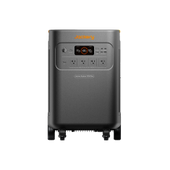
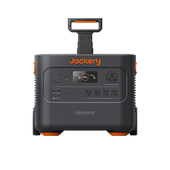
Jackery Solar Generator HomePower 3000
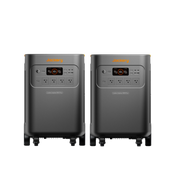
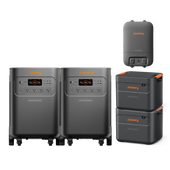
The Jackery Solar Generator HomePower 3000 is an essential home backup solution, ideal for demanding greenhouse environments where multiple systems need to run simultaneously. With its high capacity, it can handle water pumps, larger heaters, heavy-duty ventilation, and multiple lighting units simultaneously. This makes it a strong investment for growers who need uninterrupted, large-scale support for their plants. You can also use the home battery backup to run essential household appliances, such as refrigerators, during outages.
Appliances Running Time
- LED Grow Light (100W) = 21.4H
- Ventilation Fan (100W) = 21.4H
- Small Space Heater (900W) = 2.8H
- Water Pump (300W) = 8.1H
- Seedling Heat Mat (50W) = 36.3H
Who Should Buy This
If you have large greenhouses that rely on multiple appliances, it’s best to pick the Jackery Solar Generator HomePower 3000 that can safeguard crops with dependable, all-day power even during extended outages.

Customer Review
So far, I have only used the grid to charge the unit, but it holds a charge like nothing I have seen before. I have the Fridge, Deep Freezer, Entertainment Center, Router, desktop computer, and one lamp, and I only hafta plug it in to recharge every 38 hours.
— Michael Meeder.
Solar Powered Greenhouse FAQs
The following shows the frequently asked questions about the solar-powered greenhouse:
1. What size of solar generator do I need to run a greenhouse?
Consider the devices or machines you need to power before determining the size of the solar generator you require. The size of the solar generator depends on the wattage of each appliance you intend to operate and the number of hours you will need to use each appliance. More generator capability is needed as the more watts being used increases. If you want to understand how long the Jackery Solar Generator can run greenhouse appliances, you can use the Running Time Calculator available on the product page. Visit the product page and scroll to find the calculator. For example, the Jackery Solar Generator HomePower 3000 can simultaneously run a fan (50W), light (10W), and a water pump (50W) for 19.8 hours.
2. How many solar panels do I need to run a greenhouse?
To calculate solar panels for your greenhouse, you would require 27* 3-feet by 5-feet 100W solar panels if your greenhouse is 10,000 square feet, uses 1 kWh per square foot annually, and has a collector system that gives 25 kWh/sq.
3. Is solar greenhouse worth it?
Yes, it is worth maximizing your usage of a solar greenhouse. Solar greenhouses can harvest year-round and serve as a location to start seedlings in the spring. Using a light-altering dye, these solar panels help plants with photosynthesis and produce pure energy. Additionally, these PV arrays made of solar cells offer much-needed cooling during the heat.
Final Thoughts
Food can be produced all year round in a productive greenhouse. Solar-powered greenhouses generate efficient energy and benefit farmers and the agricultural industry. Jackery Solar Generators are the best alternative to passive solar greenhouses or solar panels for greenhouses since they require no installation or ongoing maintenance.
Reply to Comments
While our current blog comment system doesn't allow for direct replies, our customer service team will address comments and questions promptly via email. Additionally, we'll compile the most frequently asked questions and provide comprehensive answers at the end of the blog post.
Comment: I have a 10’ x 12’ Harbor Freight greenhouse and want to use solar power to heat it in the spring for seed starting and to run a fan during the peak summer hours. What size generator would I need?
Reply: For a 10’ x 12’ greenhouse, the appliances you mentioned (a heater in spring and a fan in summer) have different power needs. A small fan usually uses around 50 - 200 watts, which most compact solar generators can handle easily. A heater can draw anywhere from 500 - 1,500 watts, so you will need a larger capacity solar generator to run it for more than a short period.
For your setup, we would recommend looking at a solar generator with at least 2,000Wh or more of storage and a high enough output to handle the heater’s wattage. Something like the Jackery Solar Generator 2000 v2 could work well for fans, lights, and occasional heater use, while the Jackery Solar Generator HomePower 3000 would give you much longer runtime if you want reliable heat on colder spring nights.





I have a 10’ x 12’ Harbor Freight greenhouse and want to use solar power to heat it in the spring for seed starting and to run a fan during the peak summer hours. What size generator would I need?
Leave a comment