


![[Add - on] Jackery Manual Transfer Switch for Explorer 5000 Plus - Jackery](http://www.jackery.com/cdn/shop/files/add-on-jackery-manual-transfer-switch-for-explorer-5000-plus-9017324.png?v=1754016782&width=350)



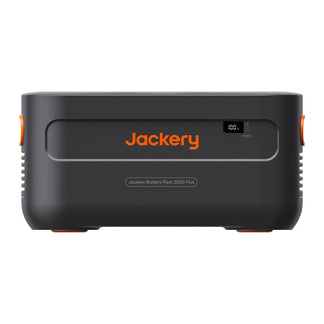
![[Add - on] Jackery Battery Pack 5000 Plus - Jackery](http://www.jackery.com/cdn/shop/files/add-on-jackery-battery-pack-5000-plus-6078351.png?v=1754016791&width=324)

![[Add - on] Jackery Car Charging Cable - Jackery](http://www.jackery.com/cdn/shop/files/add-on-jackery-car-charging-cable-3882421.png?v=1754016863&width=324)

![[Add - on] Jackery Smart Transfer Switch - Jackery](http://www.jackery.com/cdn/shop/files/add-on-jackery-smart-transfer-switch-5842915.png?v=1754016784&width=324)
![[Add - on]Jackery 102W GaN 3 - Port Fast Charger - Jackery](http://www.jackery.com/cdn/shop/files/add-onjackery-102w-gan-3-port-fast-charger-6377742.png?v=1754016790&width=324)


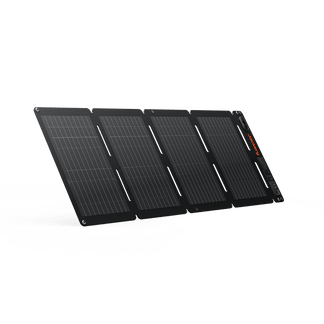
![[Add - on] SolarSaga 200W - Jackery](http://www.jackery.com/cdn/shop/files/add-on-solarsaga-200w-4834329.png?v=1754016915&width=324)
![[Add - on] Jackery Manual Transfer Switch for Explorer 5000 Plus - Jackery](http://www.jackery.com/cdn/shop/files/add-on-jackery-manual-transfer-switch-for-explorer-5000-plus-9017324.png?v=1754016782&width=324)


Hurricanes and typhoons may sound like different beasts, but they are meteorologically identical. Both are tropical cyclones—colossal thermodynamic engines fueled by warm ocean water that whip up sustained winds of at least 74 mph.
The difference is purely a matter of map coordinates:
- Hurricanes form in the North Atlantic, Northeast Pacific, or Caribbean.
- Typhoons form in the Northwest Pacific (near Japan, the Philippines, and China).
But when a storm is bearing down on your home, labels don't matter. The destructive forces are exactly the same—and so is the preparation required to survive them. This guide cuts through the terminology to focus on what actually saves lives: securing your property and keeping your critical power systems online when the grid fails.
How Tropical Cyclones Are Classified by Wind Speed
Meteorologists classify tropical cyclones into four distinct categories based on their maximum sustained wind speeds. Understanding this classification ladder is essential to evaluate your regional storm risk. Once a system reaches hurricane or typhoon strength, forecasters utilize the Saffir-Simpson Wind Scale to communicate damage expectations:
- Tropical Depression (Winds ≤ 38 mph): While these systems bring torrential rain and localized flooding, structural wind damage is extremely rare. They represent the initial stage of tropical organization.
- Tropical Storm (Winds 39–73 mph): The system is assigned an official name. This is when emergency preparations become urgent, as loose outdoor items become dangerous wind-driven projectiles and localized power outages begin.
- Category 1 & 2 Hurricane/Typhoon (Winds 74–110 mph): The storm is fully organized with a clear eye of low barometric pressure, surrounded by a violent eyewall and spiral rainbands. Well-built frame homes can suffer minor roof and siding damage, large branches will snap from trees, and widespread power outages are common.
- Category 3, 4, & 5 Major Hurricane/Super Typhoon (Winds 111–157+ mph): These storms cause catastrophic damage. Well-built homes can lose their entire roof structure, utility poles are snapped, trees are uprooted, and affected residential areas can remain uninhabitable for weeks or months due to complete utility grid failure.
A common, dangerous mistake is assuming a downgraded storm is safe. When a major hurricane weakens to a tropical storm, its wind speeds drop, but its moisture-carrying capacity does not.
In 2017, Hurricane Harvey made landfall in Texas as a Category 4 system, then stalled as a tropical storm, dumping over 60 inches of catastrophic rain over Houston. Historically, water-driven storm surge and inland flooding cause far more fatalities than high winds, making comprehensive flood planning essential.
Storm surge occurs when the low barometric pressure in the eye of the storm pulls the ocean surface upward, while the hurricane's circular winds push this massive dome of water toward the coastline. This surge can rise up to 20 feet, inundating coastal roads, destroying foundations, and flooding electrical substations, making it the most lethal component of any landfalling tropical cyclone.

When and Where Do These Storms Occur?
Location on the map dictates the name of the storm. A system forming off the coast of Florida is a hurricane, while the exact same storm would be called a typhoon if it developed near Japan or the Philippines.
1. Regional Timelines & Peaks
- Atlantic & Northeast Pacific (Hurricanes): The official season runs from June 1 through November 30.
- September 10 represents the statistical peak of Atlantic storm activity.
- Resource: To review seasonal grid-safety timelines, check out our comprehensive guide on Hurricane Season in the US.
- Northwest Pacific (Typhoons): These storms can form year-round, though the busiest months are typically July through November.
2. The 4 Meteorological Ingredients for Storm Formation
Regardless of where they form, both hurricanes and typhoons require four identical environmental ingredients to develop:
- Deep Warm Water: Ocean water temperatures of at least 80°F down to a depth of 150 feet (this deep thermal layer prevents cold water from upwelling and choking the storm).
- Atmospheric Moisture: Abundant moisture in the mid-troposphere.
- Low-Pressure Disturbance: A pre-existing low-pressure weather disturbance, such as a tropical easterly wave.
- Low Vertical Wind Shear: Strong vertical wind shear will tilt the storm's convective core, disrupting its structure and destroying its "heat engine."
The Science: Why September is the Peak The peak of the Atlantic hurricane season in September corresponds directly to the maximum thermal absorption of the ocean.
Why Storm Names Are Retired
While identifying storms by human names might seem casual, the practice has a rich history and serves as a vital tool for public safety during natural disasters.
1. The Origins of Naming Storms
The systematic tracking of tropical cyclones evolved rapidly in the mid-20th century:
- The WWII Origins (Informal): During World War II, military meteorologists began informally naming storms after their wives and girlfriends to simplify tracking across vast oceans.
- The 1953 Standardization (Formal): The World Meteorological Organization (WMO) adopted official, formalized lists of female names to replace confusing geographic coordinates. Male names were integrated into the lists in 1979.
- The 1969 Retirement Policy: The WMO established a permanent retirement policy to show sensitivity to survivors of catastrophic storms and to keep historical records clear.
2. Famous Retirements Across Ocean Basins
When a storm causes historic devastation, its name is permanently retired. This practice spans both hurricanes and typhoons:
- Katrina & Maria: Retired Atlantic hurricanes that caused catastrophic loss of life and property.
- Sandy: Retired after causing historic coastal flooding along the Northeast United States.
- Haiyan: A devastating Northwest Pacific typhoon (known as Super Typhoon Yolanda in the Philippines) retired after making landfall.
Preparing for Storm-Related Power Outages
When a tropical cyclone strikes, localized power outages are almost guaranteed. High winds knock down above-ground transmission lines, while flooding water-logs local substations. A high-capacity home backup power system is the most reliable way to keep your essential household circuits running.
Storm Safety Resource To prepare your family for the unique challenges of extreme weather events, read our detailed comparison on Hurricane vs Tornado vs Cyclone — Storm Safety and Preparedness.
1. The Wet-Weather Danger of Gas Generators
Traditional gasoline generators present severe safety risks and operational challenges during active storms:
- The Weather Trap: Heavy rain and wind make operating an external gas engine highly difficult and dangerous.
- Engine Suffocation: Water can easily enter carburetor air intakes, causing the engine to stall.
- Shock Hazards: Running extension cords through cracked windows into wet, wind-driven rain increases the risk of electrical shock.
- CO Poisoning: To prevent lethal carbon monoxide poisoning, gas units must stay outdoors, at least 20 feet away from the house—which is nearly impossible to manage safely in a severe storm.
2. The Indoor-Safe Battery Solution
Portable solar generators and lithium battery stations eliminate these physical challenges entirely:
- Zero Emissions: They produce no carbon monoxide, allowing you to operate them safely inside your living room or bedroom.
- Silent & Maintenance-Free: They run completely silently and require no messy fuel storage or engine oil maintenance.
- Dry Operation: Because the power station stays protected indoors directly next to your appliances, all power cords remain dry and safe.
3. Protecting Critical Household Loads
During a prolonged blackout, a reliable backup power source protects your health and your wallet by keeping critical devices online:
- Food Safety: Standard residential refrigerators must have steady power to prevent food spoilage and foodborne illness.
- Medical Hardware: For family members relying on CPAP machines, nebulizers, or oxygen concentrators, clean battery backup ensures their life-saving equipment never shuts down.
Home Backup Power Solutions for Storm Season
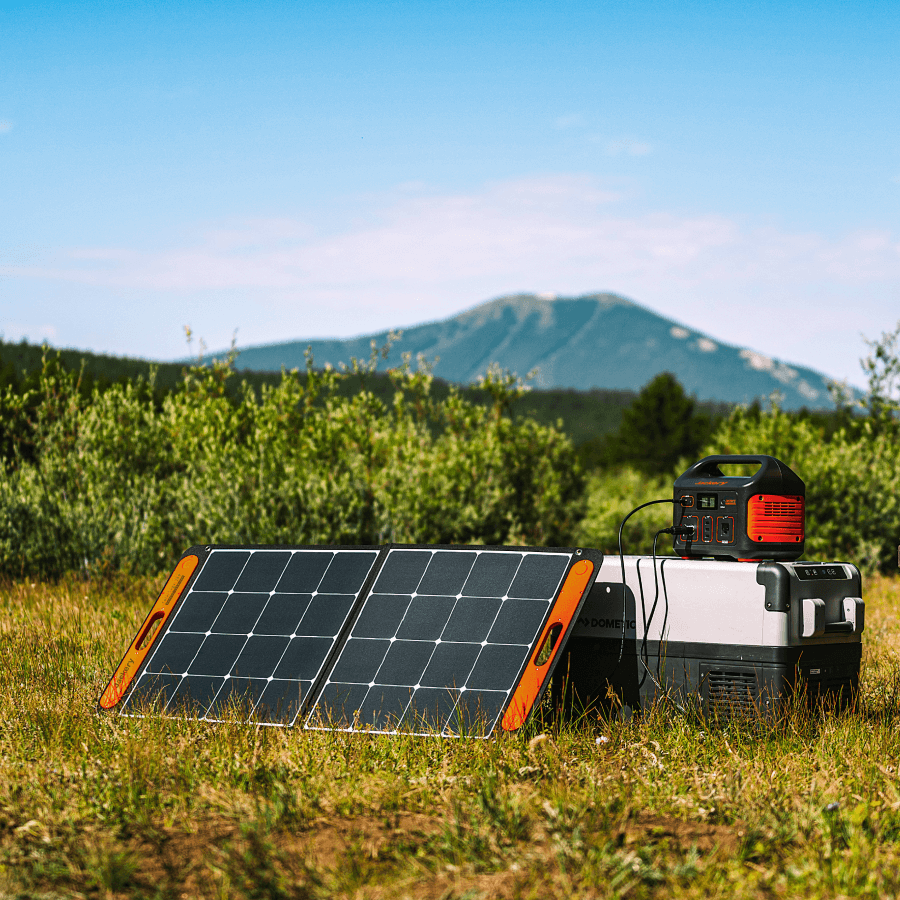
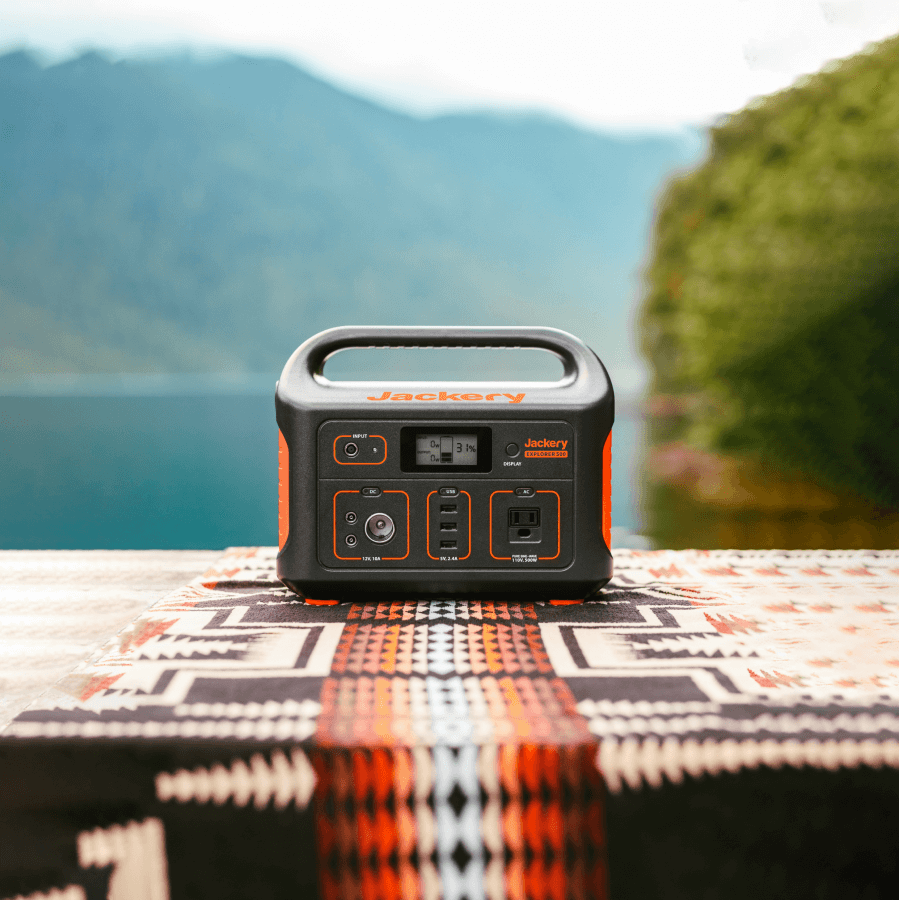
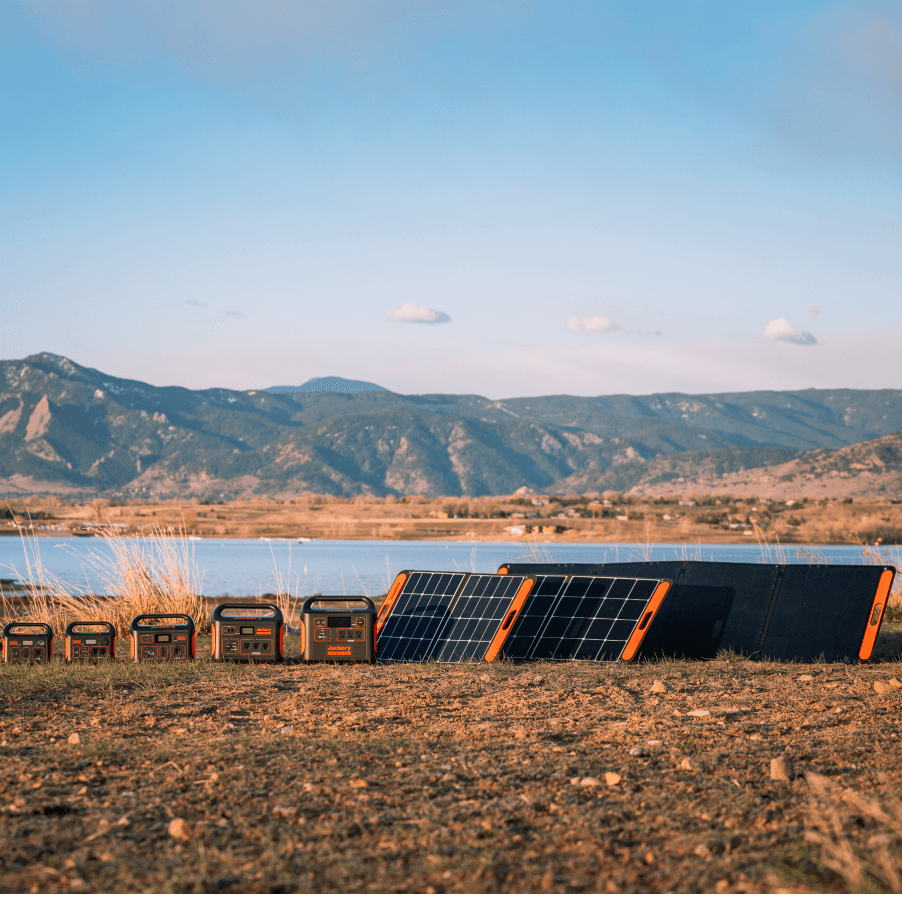
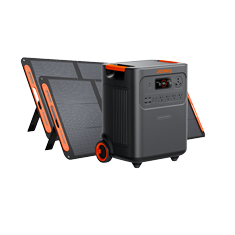
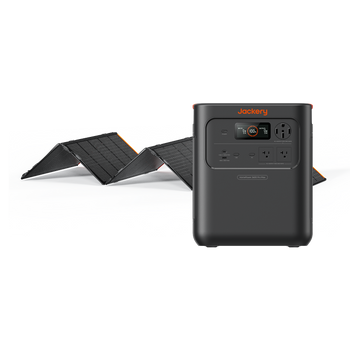
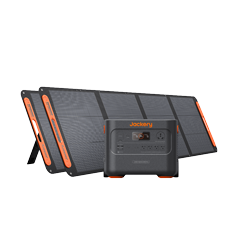
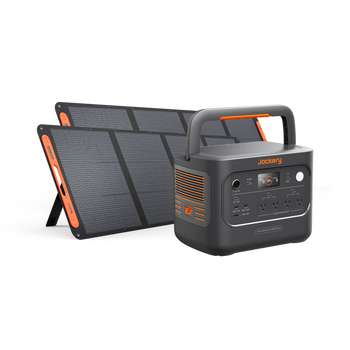
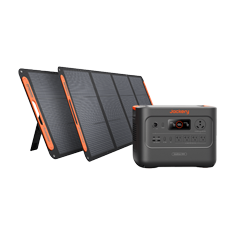
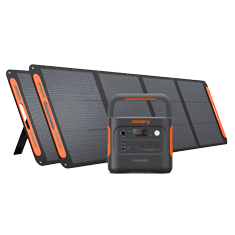
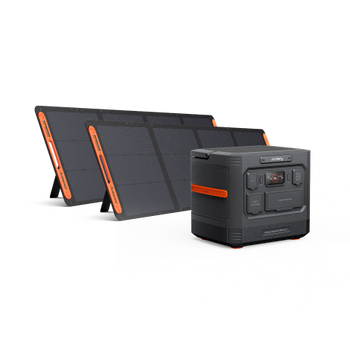
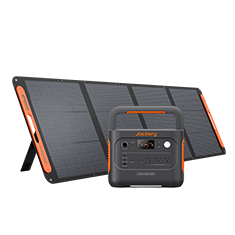
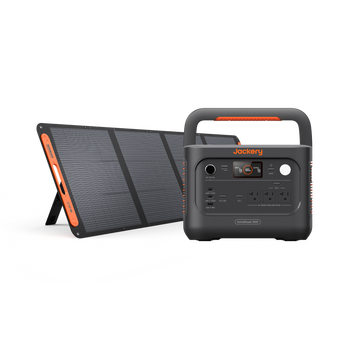
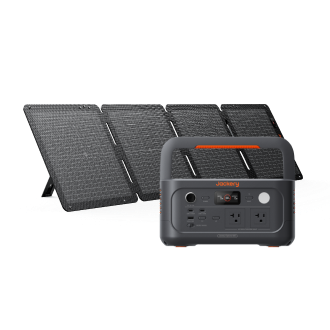
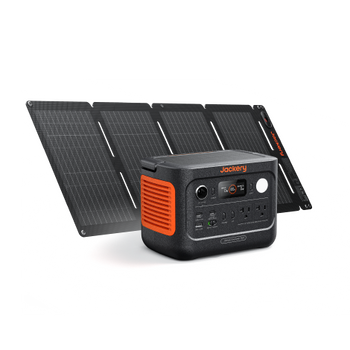
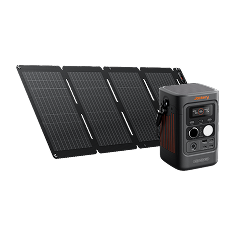
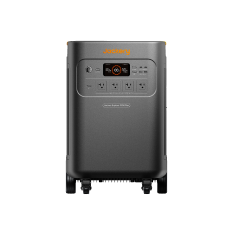
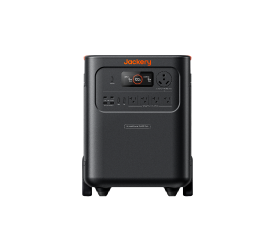
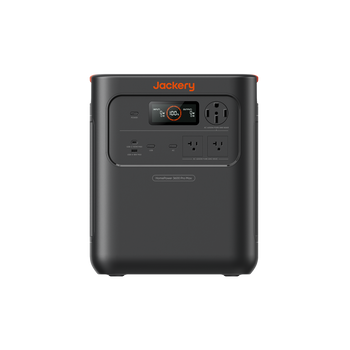
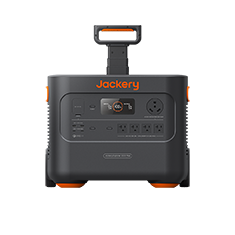
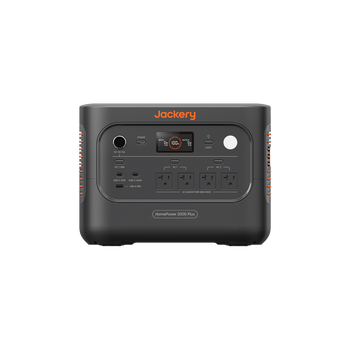
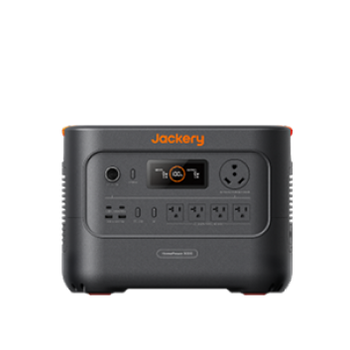
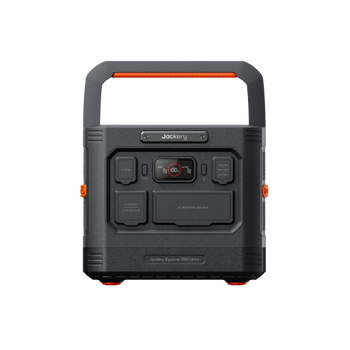
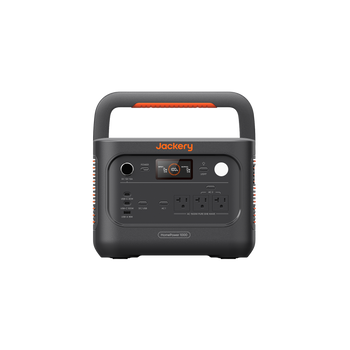
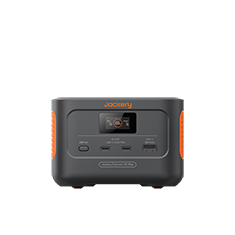
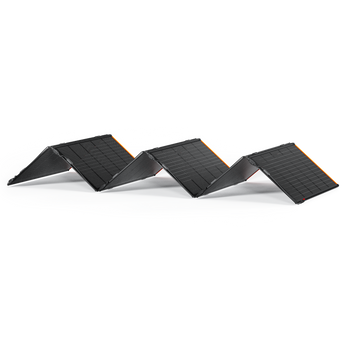
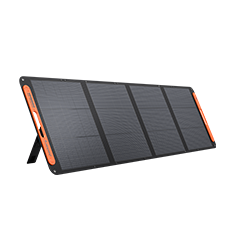
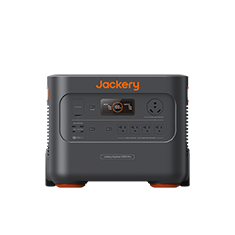
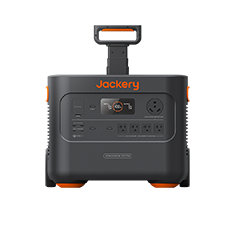
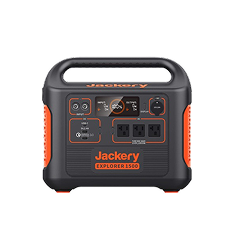
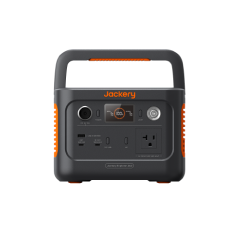
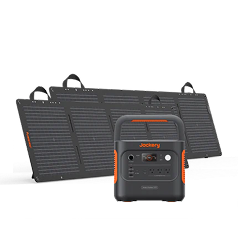
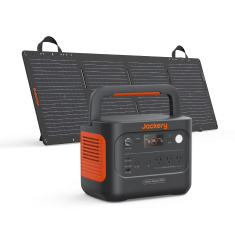
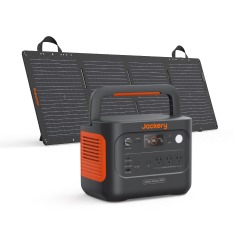
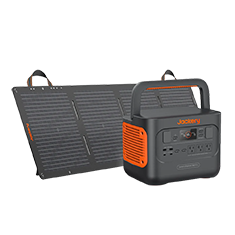
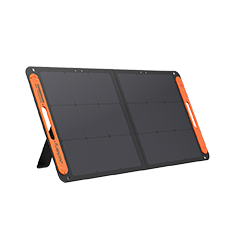
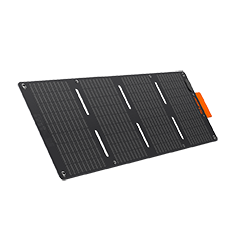
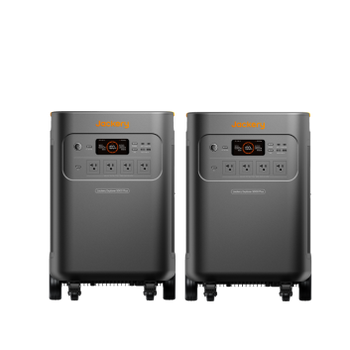
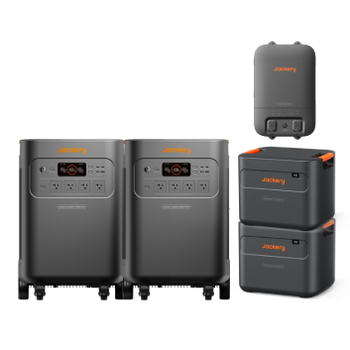
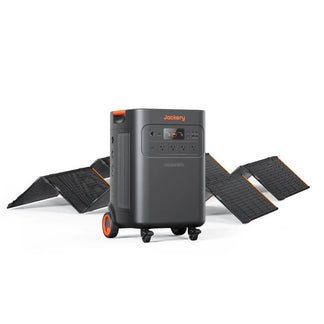
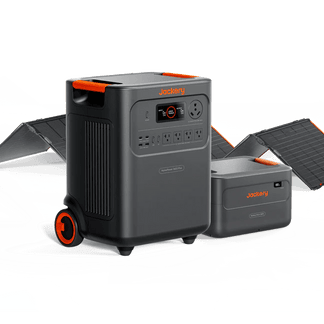
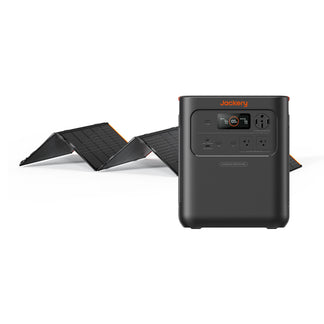
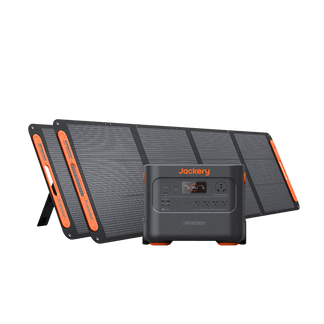
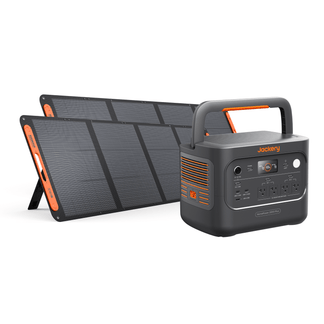
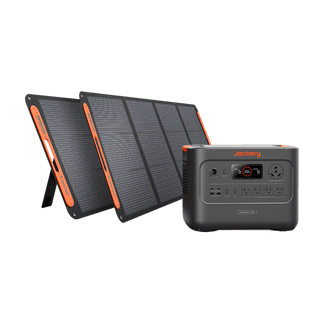
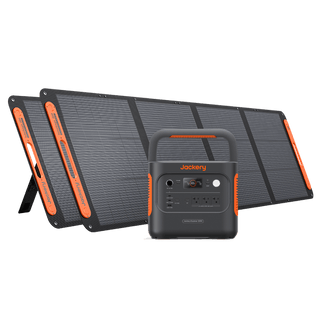
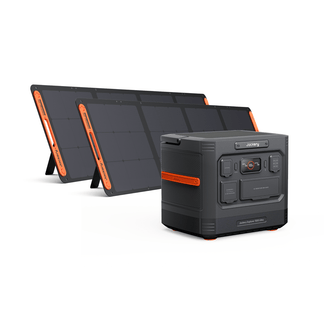
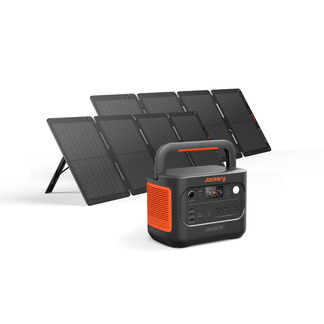
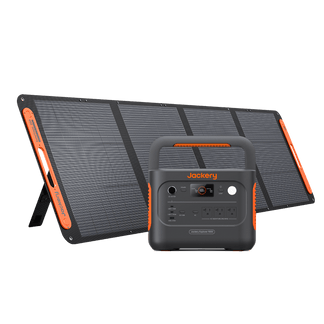
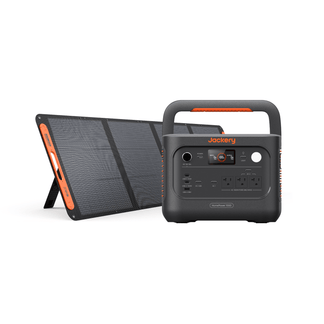
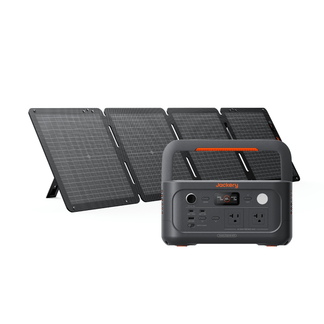
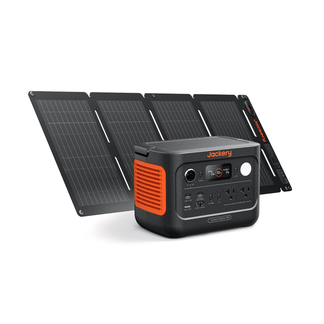
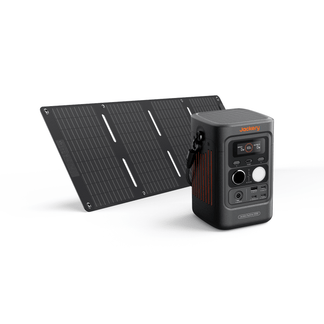
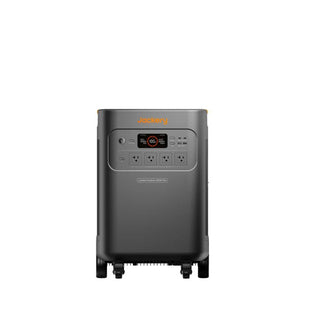
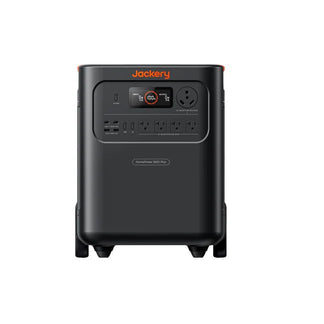
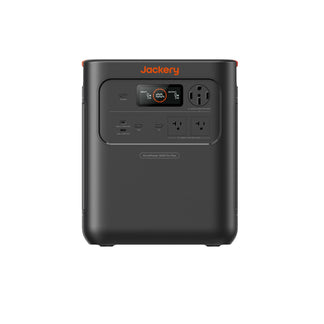
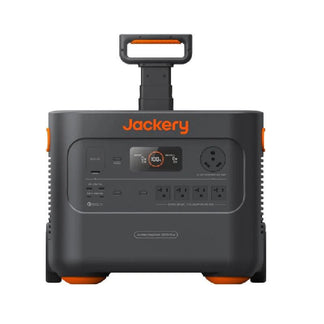
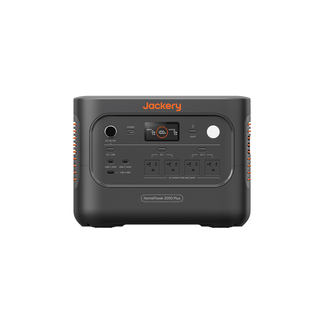
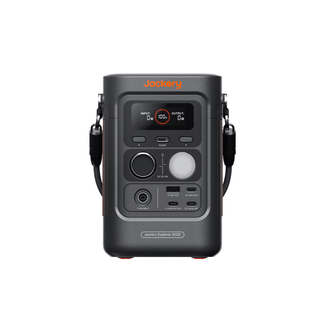
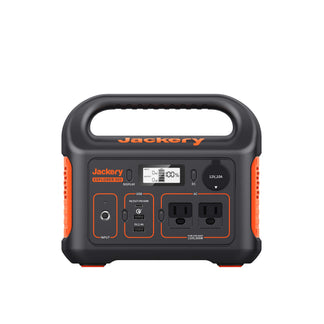
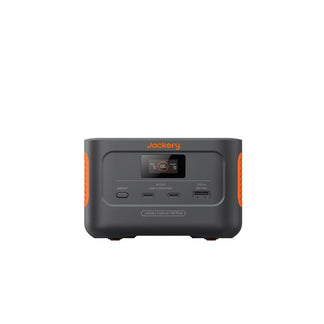
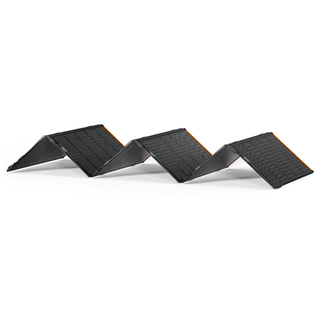
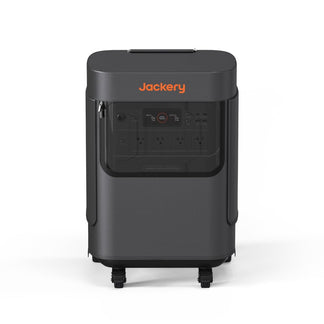
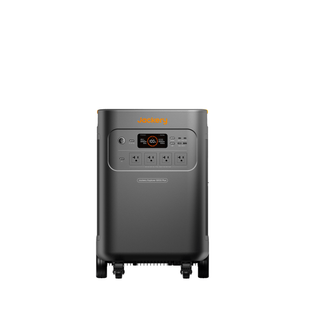
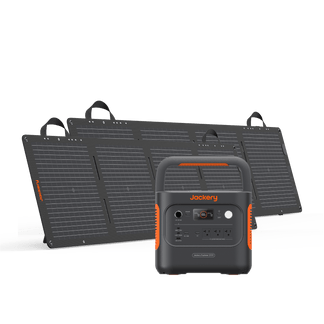
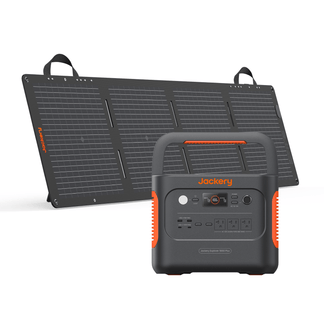
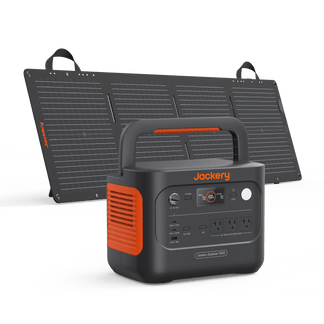
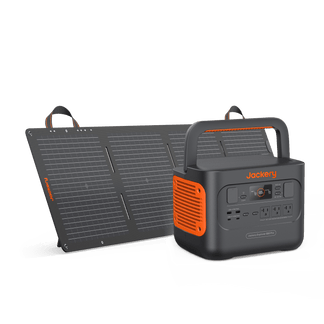
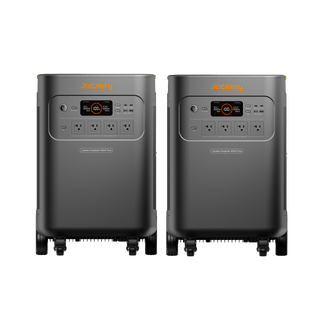
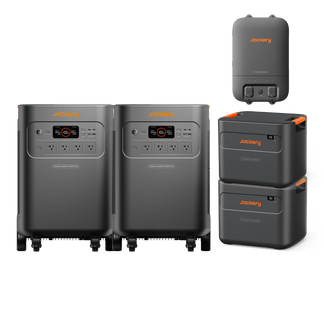
Three premium solar generator systems from Jackery provide ideal emergency backup power. All three can recharge cleanly via high-efficiency solar panels during the day, giving you a self-sustaining off-grid power loop when fuel stations are empty and local roads are blocked:
|
Solar Generator Model |
Capacity & Output Specs |
Key Outage Runtime Examples |
|
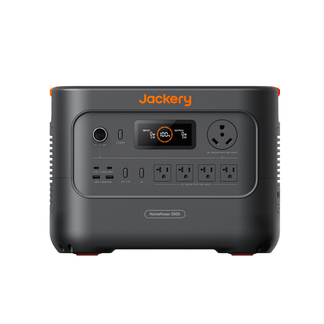
Jackery HomePower 3600 Plus + SolarSaga 500X |
3,584 Wh base (expandable to 43 kWh) / 3,600W output |
Runs a standard refrigerator (80W) for 38 hours or a medical CPAP (40W) for 75 hours. Features <20ms UPS switchover. |
|
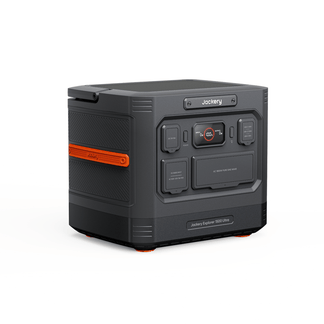
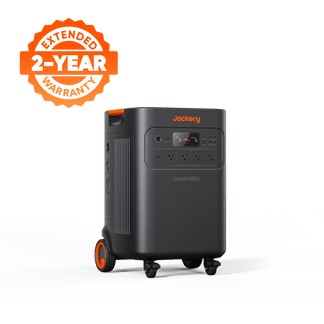
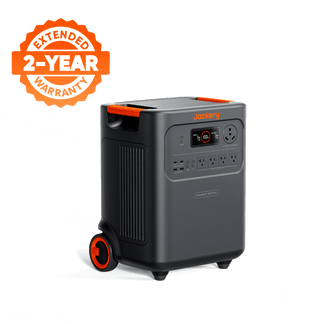
Jackery Explorer 5000 Plus + 2x SolarSaga 500X |
5,040 Wh base (expandable to 60 kWh) / 7,200W output |
Powers a central AC blower fan (900W) for 4.5 hours and a sump pump (60W) for 40 hours simultaneously. True 0ms UPS. |
|
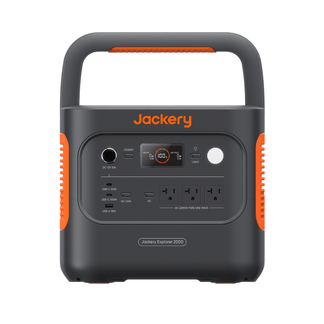
Jackery Solar Generator 2000 v2 |
2,042 Wh / 2,200W output (4,400W surge) |
Runs LED emergency lights (5W) for 155 hours or a refrigerator (400W) for 3.2 hours. Portable (39.5 lbs). |
Using these integrated systems avoids the complexity of manual component matching (wiring separate batteries, charge controllers, inverters, and fuses). Standalone setups require complex electrical gauge calculations and carry real risks of short circuits, whereas solar generators house all of these protective circuits inside a pre-tested, certified enclosure. This allows you to deploy emergency power immediately with simple, plug-and-play connections.
Frequently Asked Questions
Does wind speed determine whether it is a hurricane or a typhoon?
No. Wind speed determines the storm’s category (ranging from Category 1 to Category 5 under the Saffir-Simpson scale), but the regional label is purely geographic. A tropical cyclone with sustained winds of 75 mph is called a Category 1 hurricane in the Atlantic and a typhoon in the Northwest Pacific. Once wind speeds exceed 150 mph in the Pacific, they are often classified as "Super Typhoons."
Why do some regions use the term "cyclone" instead?
"Tropical cyclone" is the generic scientific term for these rotating storm systems. The South Pacific and Indian Ocean regions simply utilize the generic term "cyclone" without adopting a regional name like hurricane or typhoon. However, their wind speeds, central pressure dynamics, and rainfall profiles behave in exactly the same way, spinning clockwise in the Southern Hemisphere due to the Coriolis effect.
Should I prepare differently for a typhoon versus a hurricane?
No. Because the physical threats (high winds, torrential rainfall, storm surge, and power outages) are identical, your emergency preparation should be identical. Always base your emergency actions on your local weather service forecasts for wind, flooding, and storm surge, not the storm's regional label. Ensure you have a secure home backup power plan ready well before storm season begins.